
Introduction to William Syndrome

William Syndrome, also known as Williams-Beuren Syndrome, is a rare genetic disorder that affects approximately 1 in 10,000 births. It is characterized by a distinctive set of physical, behavioral, and medical characteristics. Individuals with William Syndrome often have unique personalities, exceptional social skills, and a strong affinity for music. Despite the challenges associated with this condition, people with William Syndrome can lead fulfilling lives with the right support and care.
Causes and Symptoms of William Syndrome

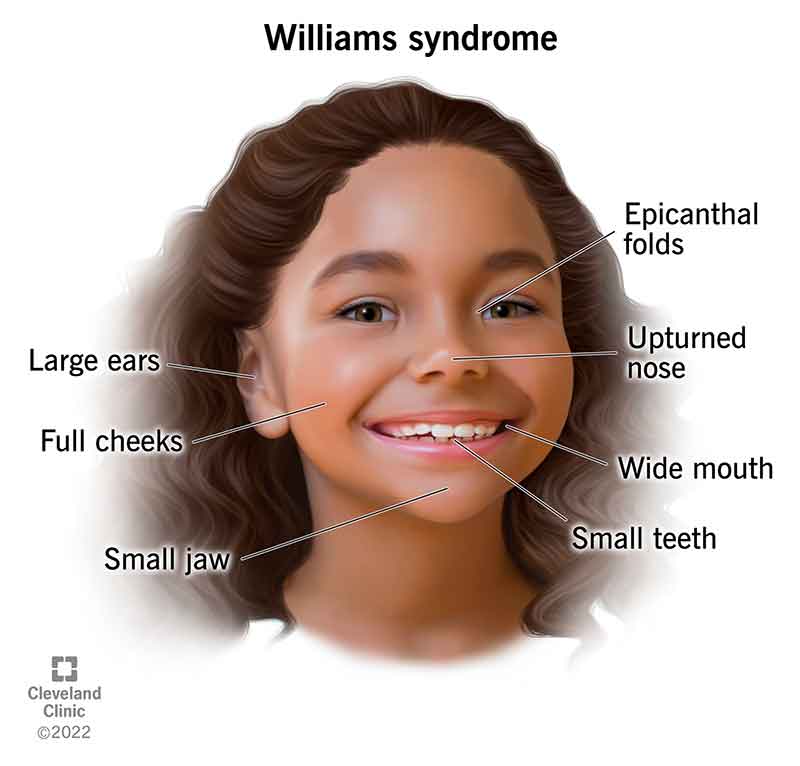
The primary cause of William Syndrome is a deletion of genetic material on chromosome 7, specifically a region known as the Williams-Beuren Syndrome Critical Region (WBSCR). This deletion occurs spontaneously, usually during the formation of reproductive cells or in early fetal development. The symptoms of William Syndrome can vary, but common features include: * Distinctive facial features: A broad forehead, short nose, full cheeks, and a wide mouth with a prominent lower lip. * Growth delays: Infants with William Syndrome may experience growth delays, and adults tend to be shorter than average. * Developmental delays: Delays in cognitive and motor skills development are common. * Cardiovascular problems: Many individuals with William Syndrome have heart defects or high blood pressure. * Friendly and outgoing personality: Despite the challenges, people with William Syndrome are often described as friendly, sociable, and having a strong desire to interact with others.
Diagnosis and Treatment of William Syndrome

Diagnosing William Syndrome typically involves a combination of physical examination, medical history, and genetic testing. The most common diagnostic tool is a test called FISH (Fluorescence In Situ Hybridization), which detects the deletion on chromosome 7. There is no cure for William Syndrome, but various treatments can help manage its symptoms. These include: * Cardiovascular care: Regular monitoring and treatment of heart defects and high blood pressure. * Developmental therapy: Speech, occupational, and physical therapies to support cognitive and motor skills development. * Educational support: Special education programs tailored to the individual’s needs. * Social support: Encouraging social interaction and providing emotional support to both the individual and their family.
Living with William Syndrome

Living with William Syndrome comes with its unique set of challenges, but with the right support, individuals can lead active and meaningful lives. Early intervention is crucial in helping children with William Syndrome develop to their full potential. Adults with William Syndrome can benefit from supported employment and independent living arrangements, which allow them to maintain their independence while receiving the necessary support. It’s also important for families and caregivers to seek emotional support to cope with the challenges of caring for a loved one with William Syndrome.
Research and Awareness

Ongoing research into William Syndrome focuses on understanding the genetic mechanisms underlying the condition, improving diagnostic techniques, and developing more effective treatments. Raising awareness about William Syndrome is vital in promoting understanding, acceptance, and inclusion of individuals with this condition. By supporting research and awareness initiatives, we can work towards a future where people with William Syndrome receive the care and support they need to thrive.
| Characteristic | Description |
|---|---|
| Facial Features | Broad forehead, short nose, full cheeks, wide mouth |
| Growth | Growth delays, short stature in adults |
| Personality | Friendly, outgoing, strong desire for social interaction |
| Cardiovascular Issues | Heart defects, high blood pressure |

💡 Note: While William Syndrome presents unique challenges, early intervention, supportive care, and a positive environment can significantly enhance the quality of life for individuals with this condition.
In summary, William Syndrome is a complex condition that affects individuals in various ways, from physical characteristics and health issues to cognitive and social abilities. By understanding the causes, symptoms, and available treatments, and by promoting awareness and acceptance, we can better support those living with William Syndrome and help them lead fulfilling lives.
What are the primary characteristics of William Syndrome?

+
The primary characteristics include distinctive facial features, growth delays, developmental delays, cardiovascular problems, and a friendly, outgoing personality.
How is William Syndrome diagnosed?

+
Diagnosis typically involves a physical examination, medical history, and genetic testing, with FISH (Fluorescence In Situ Hybridization) being a common diagnostic tool.
What kind of support do individuals with William Syndrome need?
+
Individuals with William Syndrome need a range of support, including cardiovascular care, developmental therapy, educational support, and social support, as well as emotional support for their families and caregivers.