
Introduction to SWOT Analysis

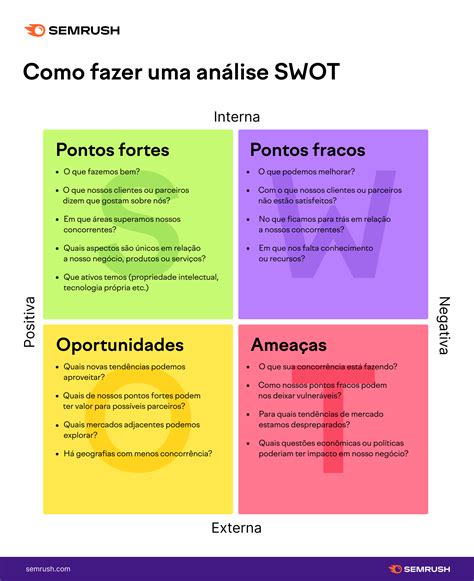
A SWOT analysis is a powerful tool used for strategic planning and decision-making in various fields, including business, marketing, and project management. It involves identifying the Strengths, Weaknesses, Opportunities, and Threats related to a particular project, organization, or individual. This analysis helps in understanding the current situation and making informed decisions to achieve goals.
Understanding SWOT Components

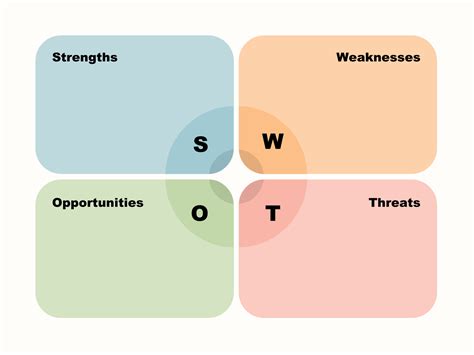
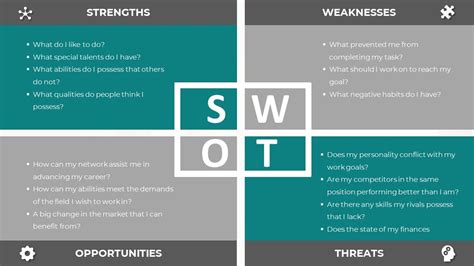
To conduct a SWOT analysis, it’s essential to understand the four components involved: - Strengths: These are the internal attributes and resources that support a company’s or project’s success. Examples include skilled employees, strong brand recognition, and innovative products. - Weaknesses: These are the internal factors that might hinder a company’s or project’s performance. Examples include high employee turnover, outdated technology, and limited financial resources. - Opportunities: These are external factors that a company or project can leverage to its advantage. Examples include emerging markets, new technologies, and changes in government policies. - Threats: These are external factors that could negatively impact a company or project. Examples include economic downturns, increased competition, and regulatory changes.
How to Conduct a SWOT Analysis
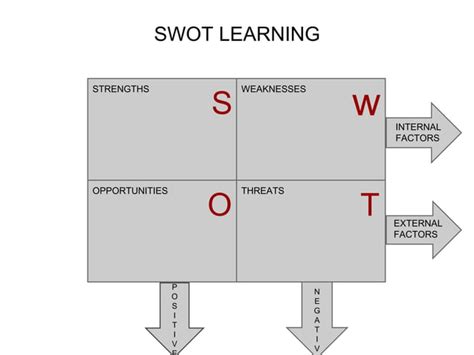
Conducting a SWOT analysis involves the following steps: - Identify Strengths and Weaknesses: Start by listing all the internal factors that are relevant to your project or organization. This can be done through brainstorming sessions, surveys, or analysis of financial reports. - Identify Opportunities and Threats: Next, list all the external factors that could impact your project or organization. This involves researching market trends, competitor analysis, and reviewing news and publications related to your industry. - Analyze and Prioritize: Once you have listed all the SWOT factors, analyze them to understand their potential impact and prioritize them based on their relevance and urgency. - Develop Strategies: Finally, use the SWOT analysis to develop strategies that leverage your strengths and opportunities, while mitigating your weaknesses and threats.
Example of a SWOT Analysis

Consider a small, independent bookstore:
| SWOT Factor | Description |
|---|---|
| Strengths | Personalized customer service, knowledgeable staff, unique book selection |
| Weaknesses | Limited financial resources, small marketing budget, dependence on local customer base |
| Opportunities | Growing interest in independent bookstores, potential for online sales, partnerships with local authors |
| Threats | Competition from large chain bookstores and online retailers, economic downturn affecting consumer spending |
Benefits of SWOT Analysis
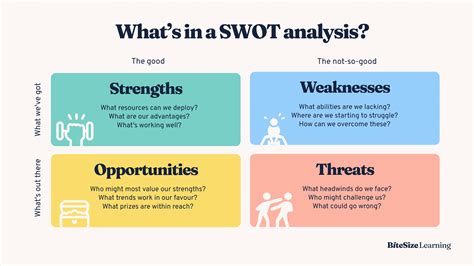
The SWOT analysis offers several benefits, including: - Improved Strategic Planning: By understanding the internal and external factors affecting a project or organization, decision-makers can develop more effective strategies. - Enhanced Risk Management: Identifying potential threats allows for the development of contingency plans to mitigate risks. - Increased Competitiveness: Leveraging strengths and opportunities can help a company or project gain a competitive advantage. - Better Resource Allocation: Understanding weaknesses and threats can help in allocating resources more efficiently to address these areas.
📝 Note: Regularly reviewing and updating the SWOT analysis is crucial to ensure that strategies remain relevant and effective in a changing environment.
In summary, the SWOT analysis is a valuable tool for any organization or individual looking to make informed decisions and develop effective strategies. By understanding and leveraging strengths and opportunities, while addressing weaknesses and mitigating threats, one can navigate challenges and achieve success in their endeavors. The key to a successful SWOT analysis lies in its regular updating and the application of its findings in strategic planning and decision-making.
What is the primary purpose of conducting a SWOT analysis?

+
The primary purpose of conducting a SWOT analysis is to identify the strengths, weaknesses, opportunities, and threats related to a project or organization, which helps in developing informed strategies for success.
How often should a SWOT analysis be updated?
+
A SWOT analysis should be regularly updated to reflect changes in the internal and external environment of a project or organization. The frequency of updates can vary but should be done at least annually or when significant changes occur.
What are the benefits of using SWOT analysis in business planning?

+
The benefits of using SWOT analysis in business planning include improved strategic planning, enhanced risk management, increased competitiveness, and better resource allocation. It helps businesses make informed decisions and develop strategies to achieve their goals.