
Introduction to Religious Terminology

The world of religion is vast and diverse, with numerous beliefs, practices, and ideologies. Understanding the terminology used in various religious contexts is essential for effective communication and appreciation of different faiths. In this blog post, we will delve into the definitions of common religious words, exploring their meanings, significance, and applications. By examining these terms, we can gain a deeper understanding of the complexities and nuances of religious language.
Key Religious Concepts
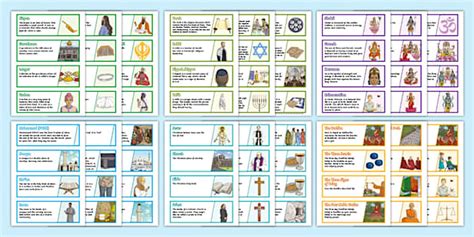
To begin our journey into the realm of religious terminology, let’s start with some fundamental concepts. These words are crucial in understanding the basics of various faiths and can serve as a foundation for further exploration. * Theology: The study of the nature of God or gods, and the relationship between the divine and human beings. * Spirituality: A personal and subjective experience of connection with something greater than oneself, often involving a sense of transcendence or awe. * Rituals: Ceremonies or practices performed to mark important events, honor deities, or connect with the divine. * Mythology: A collection of stories, legends, and myths that explain the origins, beliefs, and values of a particular culture or religion.
Christianity and Its Terminology

Christianity is one of the world’s largest religions, with a rich and complex vocabulary. Familiarizing ourselves with Christian terminology can help us better understand the faith and its practices. * Baptism: A sacrament in which a person is immersed in water or sprinkled with water to symbolize spiritual rebirth and cleansing. * Communion: A ritual in which believers consume bread and wine (or grape juice) to commemorate the Last Supper and Christ’s sacrifice. * Trinity: The concept of one God in three persons: the Father, the Son (Jesus Christ), and the Holy Spirit. * Apostle: A messenger or disciple sent by Jesus Christ to spread his teachings and establish the early Christian church.
Islamic Terminology

Islam is another major world religion, with its own unique terminology and concepts. Understanding these terms can provide insight into Islamic beliefs and practices. * Allah: The Arabic word for God, used by Muslims to refer to the one and only deity. * Quran: The holy book of Islam, considered the word of God as revealed to the Prophet Muhammad. * Hadith: A collection of sayings, actions, and approvals of the Prophet Muhammad, used to guide Islamic law and practice. * Sharia: The Islamic legal code, derived from the Quran and Hadith, which governs various aspects of Muslim life.
Hinduism and Its Vocabulary

Hinduism is a diverse and complex faith, with a vast array of terminology and concepts. Exploring these words can help us appreciate the richness and depth of Hindu thought and practice. * Dharma: A person’s duty or righteous way of living, often determined by their social role or caste. * Karma: The concept of cause and effect, where an individual’s actions have consequences in this life or the next. * Reincarnation: The belief that the soul is reborn into a new body after death, often based on the accumulated karma from past lives. * Yoga: A physical, mental, and spiritual practice aimed at uniting the individual self (jiva) with the ultimate reality (Brahman).
Table of Comparative Religious Terms

The following table highlights some key terms and concepts from various world religions, allowing for a comparative analysis of their similarities and differences.
| Religion | Term | Definition |
|---|---|---|
| Christianity | Baptism | A sacrament of spiritual rebirth |
| Islam | Sharia | The Islamic legal code |
| Hinduism | Dharma | A person’s duty or righteous way of living |
| Buddhism | Nirvana | A state of enlightenment or liberation |

💡 Note: This table is not an exhaustive list, but rather a selection of terms to illustrate the diversity and complexity of religious vocabulary.
As we explore the world of religious terminology, it becomes clear that understanding these concepts is essential for appreciating the richness and diversity of human faith and experience. By examining the definitions and applications of these terms, we can gain a deeper insight into the complexities and nuances of religious language.
In the end, our journey through the realm of religious words has provided us with a deeper understanding of the complexities and diversity of human faith. We have seen how different terms and concepts can shape our perceptions of the world and our place within it. As we continue to explore and learn about various religions and their vocabularies, we can cultivate a more empathetic and inclusive approach to understanding the beliefs and practices of others.
What is the importance of understanding religious terminology?

+
Understanding religious terminology is crucial for effective communication, appreciation of different faiths, and empathy towards believers from diverse backgrounds.
How can I learn more about religious vocabulary?

+
You can learn more about religious vocabulary by reading books, articles, and online resources, as well as engaging in conversations with people from different faith backgrounds.
What are some common challenges in understanding religious terminology?

+
Common challenges include cultural and linguistic barriers, misconceptions, and limited exposure to different faiths, which can lead to misunderstandings and misinterpretations of religious terms.