
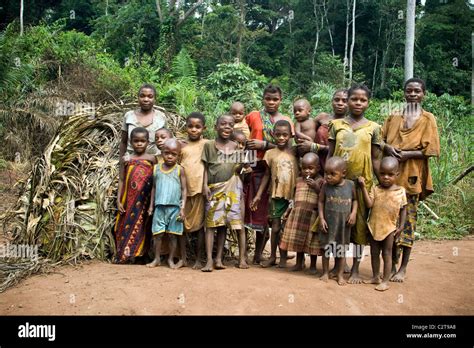
Introduction to Pygmy People

The term Pygmy refers to various ethnic groups worldwide, notably in Africa and Asia, who are characterized by their short stature. However, the term is often associated with the Pygmy peoples of Central Africa, who have distinct cultural, linguistic, and historical identities. These groups have faced numerous challenges, including marginalization, displacement, and the loss of their traditional ways of life. Understanding the Pygmy people involves exploring their history, culture, and the contemporary issues they face.
Origins and History

The origins of the Pygmy people are not well-documented, but it is believed that they have lived in the forests of Central Africa for thousands of years. They are skilled hunters and gatherers, with a deep understanding of the forest and its resources. The Pygmy peoples include groups such as the Mbuti in the Democratic Republic of Congo, the Baka in Cameroon and the Republic of Congo, and the Aka in the Republic of Congo and the Central African Republic. Each of these groups has its own language and culture, although they share many similarities.
Cultural Practices

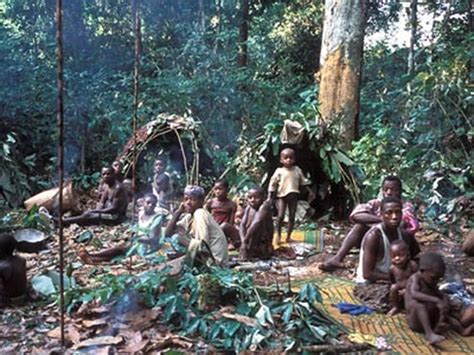
Pygmy cultures are rich and diverse, with a strong emphasis on community and cooperation. They live in small, nomadic groups, moving through the forest in search of food and other resources. Their traditional practices include hunting with nets and spears, gathering fruits and nuts, and fishing in the rivers and streams. The Pygmies also have a deep spiritual connection to the forest, believing in a variety of spirits and ancestors that inhabit the trees and animals.
Contemporary Issues

Despite their rich cultural heritage, the Pygmy people face numerous challenges in the modern world. Many have been displaced from their traditional lands by logging, mining, and agricultural projects, leading to the loss of their way of life and cultural identity. They also face discrimination and marginalization, often being treated as second-class citizens in their own countries. Additionally, the Pygmies are vulnerable to diseases such as malaria and HIV/AIDS, which can have devastating effects on their small, isolated communities.
Conservation Efforts

In recent years, there has been a growing recognition of the importance of preserving the cultural and environmental heritage of the Pygmy people. Conservation efforts have focused on protecting the forests and wildlife of Central Africa, as well as promoting the rights and interests of the Pygmy communities. This includes initiatives such as sustainable forestry and ecotourism, which can provide economic benefits to the Pygmies while also helping to preserve their traditional way of life.
| Group | Location | Population |
|---|---|---|
| Mbuti | Democratic Republic of Congo | 30,000 - 40,000 |
| Baka | Cameroon and Republic of Congo | 30,000 - 40,000 |
| Aka | Republic of Congo and Central African Republic | 20,000 - 30,000 |

🌟 Note: The population figures for the Pygmy groups are approximate and may vary depending on the source.
In summary, the Pygmy people of Central Africa are a diverse and vibrant group, with a rich cultural heritage and a deep connection to the forest and its resources. However, they face numerous challenges in the modern world, including displacement, discrimination, and the loss of their traditional way of life. Efforts to preserve their cultural and environmental heritage are essential to ensuring the long-term survival and well-being of these unique and fascinating communities.
What is the average height of a Pygmy person?

+
The average height of a Pygmy person is around 4 feet 11 inches (150 cm) for adults.
What is the main source of food for the Pygmy people?
+
The main source of food for the Pygmy people is wild game, fruits, and nuts, which they hunt and gather in the forest.
What are some of the challenges faced by the Pygmy people in the modern world?

+
The Pygmy people face numerous challenges, including displacement from their traditional lands, discrimination and marginalization, and the loss of their cultural identity.