
Introduction to Ivy League Education

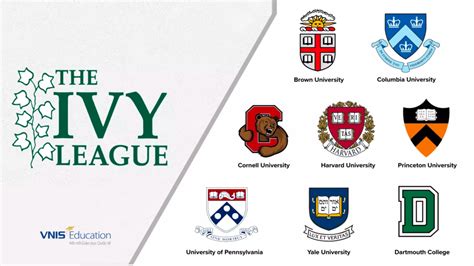
The term Ivy League refers to a group of eight prestigious private colleges and universities in the Northeastern United States. These institutions are known for their academic excellence, selectivity, and social elite status. The Ivy League consists of Harvard University, Yale University, University of Pennsylvania, Columbia University, Brown University, Princeton University, Dartmouth College, and Cornell University. An Ivy League education is highly sought after by students worldwide, and it is considered a hallmark of academic achievement and future success.
History of the Ivy League

The Ivy League has a rich history that dates back to the 17th century. The oldest institution, Harvard University, was founded in 1636, while the youngest, Cornell University, was founded in 1865. The term “Ivy League” was officially coined in 1954, when the presidents of the eight institutions signed the Ivy Group Agreement, which established the Ivy League as a formal athletic conference. Over time, the Ivy League has become synonymous with academic excellence, innovation, and leadership.
Admissions and Selectivity

Ivy League institutions are known for their highly competitive admissions processes. The acceptance rates for these schools are extremely low, ranging from 4.3% to 10.6% for the class of 2024. To be considered for admission, applicants must have an outstanding academic record, impressive extracurricular activities, and strong letters of recommendation. The admissions process typically involves a rigorous review of an applicant’s academic achievements, standardized test scores, and personal statement.
Academic Programs and Research Opportunities

Ivy League institutions offer a wide range of academic programs, from undergraduate degrees to graduate and professional programs. These institutions are known for their innovative research opportunities, state-of-the-art facilities, and distinguished faculty. Students at Ivy League schools have access to cutting-edge resources, including libraries, laboratories, and research centers. Some of the most popular academic programs at Ivy League schools include: * Business and Economics * Computer Science and Engineering * Biological Sciences and Medicine * Humanities and Social Sciences
Extracurricular Activities and Campus Life

Ivy League institutions offer a vibrant campus life, with a wide range of extracurricular activities, clubs, and organizations. Students can engage in athletics, music and arts, community service, and leadership development programs. The Ivy League is also known for its athletic conferences, with teams competing in sports such as football, basketball, and rowing.
Alumni Network and Career Opportunities

Ivy League institutions have a strong alumni network, with graduates going on to become leaders in various fields, including business, politics, law, and medicine. The Ivy League alumni network provides students with access to career opportunities, mentorship, and networking events. Some notable Ivy League alumni include US Presidents, Nobel laureates, and CEOs of Fortune 500 companies.
📚 Note: The Ivy League is not just about academics; it's also about the network and opportunities that come with it.
Financial Aid and Scholarships

Ivy League institutions are committed to making their education accessible to students from all backgrounds. They offer a range of financial aid and scholarship programs, including need-based aid, merit-based scholarships, and grant programs. Students can also apply for external scholarships and grants to help fund their education.
| Ivy League Institution | Tuition and Fees (2022-2023) |
|---|---|
| Harvard University | $53,496 |
| Yale University | $57,642 |
| University of Pennsylvania | $57,770 |
| Columbia University | $60,294 |
| Brown University | $57,112 |
| Princeton University | $53,940 |
| Dartmouth College | $57,614 |
| Cornell University | $57,626 |

In summary, an Ivy League education is a highly sought-after and prestigious experience that offers students academic excellence, innovative research opportunities, and a strong alumni network. While the admissions process is highly competitive, the rewards of an Ivy League education are well worth the effort. With its rich history, academic programs, and extracurricular activities, the Ivy League is the ultimate destination for students who strive for excellence.
To recap, the key points to consider when applying to an Ivy League institution include: * Academic achievement: A strong academic record is essential for admission to an Ivy League school. * Extracurricular activities: Engaging in extracurricular activities can help demonstrate a student’s passions and interests. * Research opportunities: Ivy League institutions offer innovative research opportunities that can help students gain hands-on experience. * Alumni network: The Ivy League alumni network provides students with access to career opportunities, mentorship, and networking events.
The experience of attending an Ivy League institution is one that can shape a student’s future and provide them with the skills, knowledge, and network needed to succeed in their chosen field. By understanding the history, academic programs, and extracurricular activities offered by these institutions, students can make informed decisions about their educational pursuits.
What are the admission requirements for Ivy League schools?

+
The admission requirements for Ivy League schools include a strong academic record, impressive extracurricular activities, and strong letters of recommendation. Standardized test scores, such as the SAT or ACT, are also required.
How competitive is the admissions process for Ivy League schools?

+
The admissions process for Ivy League schools is highly competitive, with acceptance rates ranging from 4.3% to 10.6% for the class of 2024. Applicants must have an outstanding academic record and impressive extracurricular activities to be considered for admission.
What are the benefits of attending an Ivy League school?

+
The benefits of attending an Ivy League school include access to innovative research opportunities, a strong alumni network, and a prestigious degree that can open doors to career opportunities. Ivy League schools also offer a wide range of academic programs, extracurricular activities, and campus resources.