
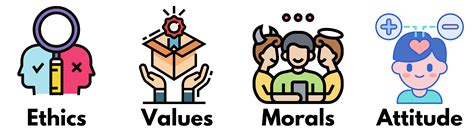
Introduction to Ethics

Ethics is a branch of philosophy that deals with the study of values and principles that guide human behavior. It involves the analysis of what is right and wrong, good and bad, and how individuals and societies should behave. Ethics is essential in all aspects of life, including personal and professional relationships, business, healthcare, and technology. In this post, we will explore the importance of ethics, its principles, and applications in various fields.
Principles of Ethics

There are several principles of ethics that guide human behavior. Some of the most common principles include: * Respect for autonomy: This principle emphasizes the importance of respecting individuals’ freedom to make their own decisions. * Non-maleficence: This principle requires individuals to avoid causing harm to others. * Beneficence: This principle involves doing good and promoting the well-being of others. * Justice: This principle requires individuals to be fair and just in their dealings with others. These principles are essential in guiding human behavior and promoting a sense of responsibility and accountability.
Types of Ethics

There are several types of ethics, including: * Descriptive ethics: This type of ethics involves the study of moral values and principles that guide human behavior in different cultures and societies. * Prescriptive ethics: This type of ethics involves the development of moral principles and rules that guide human behavior. * Normative ethics: This type of ethics involves the study of moral principles and values that guide human behavior. * Applied ethics: This type of ethics involves the application of moral principles and values to real-life situations.
Applications of Ethics

Ethics has numerous applications in various fields, including: * Business ethics: This involves the study of moral principles and values that guide business behavior, including issues related to corporate social responsibility, sustainability, and environmental ethics. * Healthcare ethics: This involves the study of moral principles and values that guide healthcare professionals, including issues related to patient autonomy, confidentiality, and informed consent. * Technological ethics: This involves the study of moral principles and values that guide the development and use of technology, including issues related to artificial intelligence, data privacy, and cybersecurity. These applications of ethics highlight the importance of considering moral principles and values in various aspects of life.
Challenges in Ethics

Despite the importance of ethics, there are several challenges that individuals and societies face in applying ethical principles. Some of these challenges include: * Cultural differences: Different cultures have different moral values and principles, which can create challenges in applying ethical principles in a globalized world. * Personal biases: Individuals may have personal biases that influence their moral judgments and decisions. * Complexity: Many ethical issues are complex and require careful consideration of multiple factors and perspectives. These challenges highlight the need for ongoing education and training in ethics, as well as the importance of promoting critical thinking and reflection.
Importance of Ethics

Ethics is essential in all aspects of life, including personal and professional relationships, business, healthcare, and technology. Ethics promotes a sense of responsibility and accountability, and helps individuals and societies to make informed decisions that promote the well-being of all. Some of the key benefits of ethics include: * Promoting trust: Ethics promotes trust and confidence in individuals and organizations. * Encouraging accountability: Ethics encourages individuals and organizations to take responsibility for their actions. * Promoting social cohesion: Ethics promotes social cohesion and cooperation, and helps to build stronger, more resilient communities.
📝 Note: Ethics is not a one-time event, but an ongoing process that requires continuous learning, reflection, and practice.
Real-Life Examples of Ethics

There are many real-life examples of ethics in action. For example: * Whistleblowing: Whistleblowing involves reporting unethical behavior or wrongdoing, and is an important example of ethics in action. * Corporate social responsibility: Many companies are now recognizing the importance of corporate social responsibility, and are taking steps to promote sustainability, environmental ethics, and social justice. * Medical ethics: Medical ethics involves the application of moral principles and values to healthcare, and is essential in promoting patient autonomy, confidentiality, and informed consent.
| Field | Ethical Principle | Example |
|---|---|---|
| Business | Respect for autonomy | Recognizing employees' right to make their own decisions |
| Healthcare | Non-maleficence | Avoiding harm to patients |
| Technology | Justice | Ensuring fair access to technology and promoting digital inclusion |

In summary, ethics is a vital aspect of human behavior that guides our decisions and actions. By understanding the principles and applications of ethics, we can promote a sense of responsibility and accountability, and make informed decisions that promote the well-being of all. Ethics is essential in all aspects of life, including personal and professional relationships, business, healthcare, and technology.
What is the importance of ethics in business?

+
Ethics is essential in business as it promotes trust, encourages accountability, and helps companies to make informed decisions that promote the well-being of all stakeholders.
How can individuals apply ethical principles in their personal lives?

+
Individuals can apply ethical principles in their personal lives by considering the impact of their actions on others, being honest and transparent, and taking responsibility for their actions.
What is the role of ethics in technology?

+
Ethics plays a crucial role in technology as it helps to ensure that technological developments are aligned with human values and promote the well-being of all. This includes issues related to artificial intelligence, data privacy, and cybersecurity.