
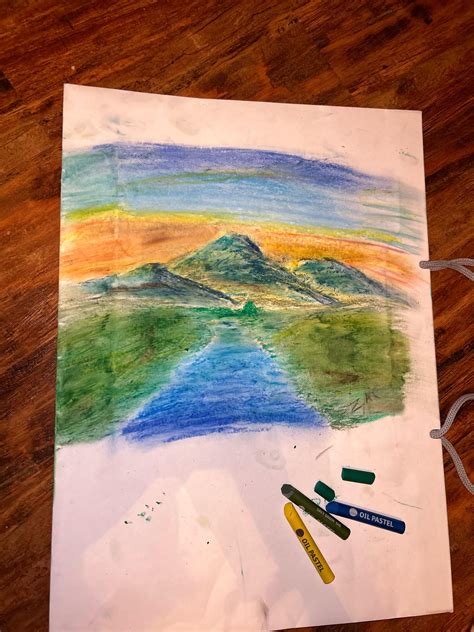
Introduction to Drawing Techniques

Drawing is a fundamental skill that can be developed with practice, patience, and dedication. It is an art form that allows individuals to express their creativity and bring their imagination to life. Whether you are a beginner or an experienced artist, learning various drawing techniques can help you improve your skills and create stunning pieces of art. In this article, we will explore different drawing techniques and provide tips on how to master them.
Understanding the Basics

Before diving into advanced drawing techniques, it is essential to understand the basics. This includes learning about different types of lines, shapes, and textures. Lines are the foundation of drawing, and they can be used to create a variety of effects, from smooth and flowing to rough and textured. Shapes are the building blocks of drawing, and they can be used to create complex forms and compositions. Textures can add depth and interest to a drawing, and they can be created using different materials and techniques.
Drawing Techniques

There are several drawing techniques that can be used to create different effects and styles. Some of the most common techniques include: * Hatching: This technique involves creating a series of closely spaced lines that follow the contours of a subject. Hatching can be used to create a range of values and textures. * Cross-hatching: This technique involves layering hatching lines at different angles to create a more complex and detailed image. * Stippling: This technique involves creating an image using small dots. Stippling can be used to create a range of values and textures. * Shading: This technique involves creating a range of values using different shades of gray or color. Shading can be used to add depth and dimension to a drawing.
Tips for Improving Your Drawing Skills

Improving your drawing skills takes time and practice. Here are some tips to help you get started: * Practice regularly: The more you draw, the better you will become. Set aside time each day or each week to practice drawing. * Use reference images: Reference images can help you learn to draw different subjects and techniques. Use photographs or real-life observations to inspire your drawings. * Experiment with different materials: Different materials can be used to create different effects and styles. Experiment with different pencils, pens, and papers to find what works best for you. * Pay attention to proportion and perspective: Proportion and perspective are essential elements of drawing. Make sure to pay attention to these elements to create realistic and balanced compositions.
📝 Note: It is essential to be patient and persistent when learning to draw. It takes time and practice to develop your skills, so don't get discouraged if you don't see improvement right away.
Advanced Drawing Techniques

Once you have mastered the basics, you can move on to more advanced drawing techniques. Some of these techniques include: * Atmospheric perspective: This technique involves creating a sense of depth and distance in a drawing by using color and contrast. * Gesture drawing: This technique involves quickly sketching the overall pose and movement of a subject. Gesture drawing can be used to capture the energy and essence of a subject. * Portrait drawing: This technique involves creating a detailed and realistic drawing of a person’s face and features. Portrait drawing requires a strong understanding of proportion, perspective, and anatomy.
| Technique | Description |
|---|---|
| Hatching | A series of closely spaced lines that follow the contours of a subject |
| Cross-hatching | Layering hatching lines at different angles to create a more complex and detailed image |
| Stippling | Creating an image using small dots |
| Shading | Creating a range of values using different shades of gray or color |

Conclusion and Final Thoughts

In conclusion, drawing is a skill that can be developed with practice, patience, and dedication. By understanding the basics and learning different drawing techniques, you can improve your skills and create stunning pieces of art. Remember to practice regularly, use reference images, experiment with different materials, and pay attention to proportion and perspective. With time and effort, you can master the art of drawing and express your creativity in a unique and meaningful way.
What is the best way to learn to draw?

+
The best way to learn to draw is to practice regularly and use reference images. You can also take classes or workshops to learn from experienced artists and instructors.
What are the most essential drawing tools?

+
The most essential drawing tools include a pencil, eraser, sharpener, and paper. You can also use other materials like pens, markers, and colored pencils to create different effects and styles.
How can I improve my drawing skills quickly?

+
To improve your drawing skills quickly, practice regularly and focus on developing your observation skills. Use reference images and pay attention to proportion, perspective, and anatomy. You can also take classes or workshops to learn from experienced artists and instructors.